Ecological sanitation represents an innovative approach to waste and wastewater management, aiming to minimize the impact on the environment while ensuring a better quality of life for communities. In this article, we walk through the benefits of the ecological sanitation system and the essential steps for its effective implementation.
What you need to know about ecological sanitation
Ecological sanitation stands out for its commitment to environmental sustainability and reducing the carbon footprint. Unlike conventional methods, it takes a holistic approach, integrating innovative solutions to treat wastewater and manage waste in an eco-friendly manner. To benefit from an adequate service that respects these rules, contact a public works specialist.
The advantages of ecological sanitation
There are many advantages linked to ecological sanitation and we will discover them in the following lines:
Preserving water quality
The main advantage of ecological sanitation lies in the preservation of water quality. Traditional systems can release harmful substances into waterways, compromising the health of aquatic ecosystems and the safety of drinking water. On the other hand, ecological methods filter and treat wastewater naturally, thus preserving water quality.
Reduction of greenhouse gas emissions
Conventional sanitation facilities often produce greenhouse gas emissions, contributing to climate change. Eco-friendly systems, such as composting toilets, minimize these emissions by promoting the natural decomposition of organic matter, thereby reducing the carbon footprint.
Resource valorization
Ecological sanitation transforms waste into useful resources. Biodigesters, for example, convert organic waste into biogas and natural fertilizers, creating a virtuous circle where waste becomes valuable resources for agriculture and energy production.
Preservation of biodiversity
By minimizing the impact on aquatic and terrestrial ecosystems, ecological sanitation contributes to the preservation of biodiversity. Reducing chemicals in wastewater and promoting responsible use of resources helps maintain the delicate balance of nature.
Implementation of the ecological sanitation system
Do you want to set up an ecological sanitation system? You do not know how to do it ? Discover our tips for achieving this in the rest of this post.
Community Outreach
The success of an ecological sanitation system depends largely on community awareness. Educational programs and information campaigns are essential to explain the environmental and social benefits of this approach, thereby encouraging resident buy-in.
Local needs assessment
Each community has specific sanitation needs. A thorough assessment of local needs, available resources and environmental constraints is essential to design a system adapted to each context. This could include wastewater treatment systems, dry toilets or composting toilets.
Adapted infrastructure
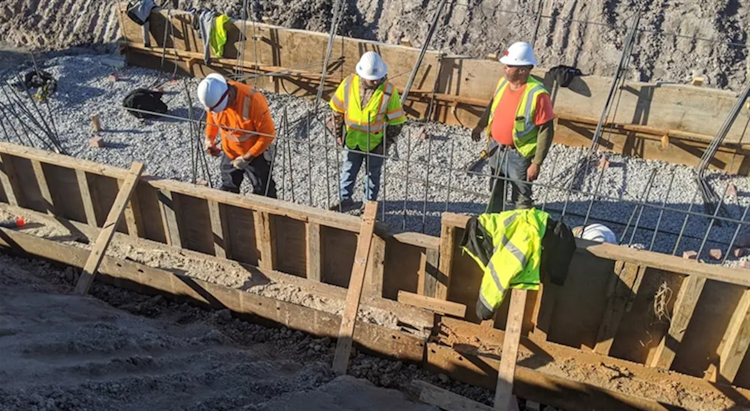
The establishment of an ecological sanitation system requires suitable infrastructure. This may involve installing wastewater treatment plants, composting toilets, eco-friendly septic tanks or other innovative solutions. The design should take into account local topography, available resources and usage patterns.
Training and maintenance
Training residents in the use and maintenance of infrastructure is an essential step. Proper understanding of systems enables efficient use and extends the life of the installations. Implementing a regular maintenance program guarantees the sustainability of the ecological sanitation system.
Case studies: examples of success
Discover in the following paragraphs some success stories regarding ecological sanitation systems.
Scandinavia
Scandinavian countries have widely adopted green sanitation systems, implementing composting toilets, green filters and environmentally friendly wastewater treatment plants. This approach made it possible to preserve water quality, reduce the impact on fragile ecosystems and improve home values.
India
In response to growing sanitation challenges, initiatives in India have promoted the use of composting toilets and wastewater treatment systems based on affordable technologies. These projects have improved local hygiene, reduced water pollution and contributed to food security through waste recovery.
Challenges and future prospects
Although ecological sanitation has many benefits, challenges remain. These challenges include the high initial cost of infrastructure, the need for cultural change, and resistance to moving from a conventional to a more sustainable approach. However, with increased awareness, government incentives and technological advancements, these challenges can be overcome.
Ecological sanitation represents an important step towards a sustainable future, reconciling human needs with environmental preservation. By adopting innovative solutions, raising awareness in communities and investing in suitable infrastructure, we can create sanitation systems that benefit both people and the planet. Implementing these ecological approaches is an investment in a future where the health of the planet and the quality of life of communities coexist harmoniously.